
Getty Images' AI‑free imagery policy: confidence built on three principles
When you license images or videos from Getty Images, you can be confident you're getting a non‑AI‑generated visual. Here's how we ensure the integrity of the visuals in our Creative and Editorial libraries:
When you license images or videos from Getty Images, you can be confident you're getting a non‑AI‑generated visual. Here's how we ensure the integrity of the visuals in our Creative and Editorial libraries:
|
01
Standards
Simply put, we don't allow Al‑generated visuals in our Creative and Editorial libraries.
|
|
|
Standards: We don’t accept AI‑generated visuals in our Creative or Editorial libraries.
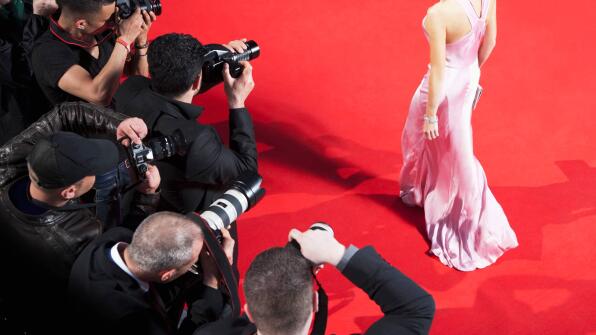
Editorial Visuals
Editorial imagery documents real people, places, and events and it’s essential that these images and videos accurately depict news, sports, entertainment, and archival events.
That’s why every editorial image and video reflects real‑world subjects captured by a human creator.
The use of AI‑based post‑production tools is prohibited in editorial images and videos, except for limited application in staged portraiture. In those cases, AI tools may only be used for retouching that aligns with accepted industry practices and must never alter the factual representation of a person, subject, or scene.
Learn more in our Editorial Policy.
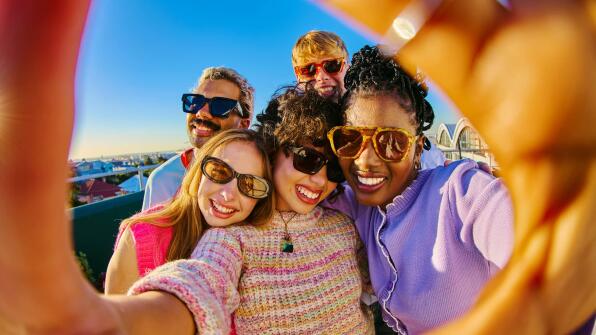
Creative Visuals
The images and videos you'll find in our Creative library reflect the human creativity, expertise, and craftsmanship of our creators. We don't allow visuals created with generative AI to be included.
However, we do allow creators to make limited edits to their original, non‑AI created work, as long as its integrity is preserved (e.g., subject remains the same while removing a trash can from the corner of the shot). Both manual and AI‑powered post‑production tools may be used to make these edits. We don't permit new elements, subjects, or objects to be added to the imagery using AI. All post‑production editing is clearly outlined for our creators.
In addition to photography and video, Getty Images offers many forms of visual content, including illustrations, vector art, CGI, 3D visuals, and other images created with the aid of non‑AI computer software. These aren't considered AI‑generated visuals and comply with Getty Images policies.
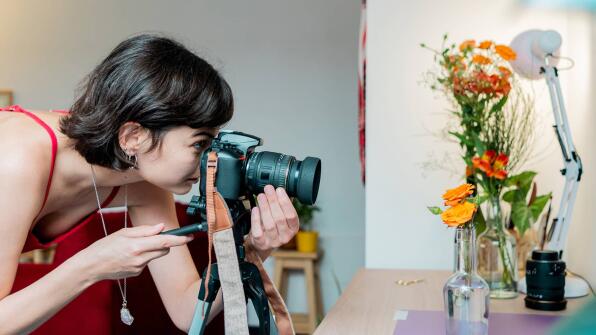
Creator Requirements
While creators may use certain AI‑enabled tools for limited retouching under strict guidelines, AI‑generated visuals aren’t accepted. Creators may also use non‑generative creative production techniques, including compositing and other established visual production methods. All creators, partners, and content providers must comply with Getty Images content policies, submission standards, and contractual requirements.
Detection: Getty Images combines technology, human expertise, and ongoing review processes to help identify and prevent AI‑generated visuals from entering our libraries.

Human Expertise
Dedicated teams investigate visuals that require additional scrutiny and review submissions against Getty Images policies and standards.

Detection Systems
We use proprietary tools, forensic analysis techniques, metadata evaluation, and review triggers to help identify potentially AI‑generated or improperly modified visuals.

Risk‑Based Evaluation
Visuals may be assessed using a range of indicators, including visual characteristics, metadata patterns, contributor history, and other integrity and authenticity signals.

Accountability
When violations are identified, Getty Images will reject, restrict, remove, or otherwise take action on visuals that don’t meet our standards. Enforcement actions may also be taken against creators or partners who violate our policies.
Transparency: Clear standards. Clear communication. Clear expectations.
We believe customers should understand how our visual integrity system works. That's why transparency remains a core part of our approach.

Public‑facing policies
Standards and documentation available to every customer.

Clear labeling
AI‑generated imagery created through Getty AI tools is labeled.

Licensing clarity
The Content License Agreement explains how visuals are created and licensed.

No re‑added AI imagery
Commitment to not add any images that have been generated or modified with our Getty Images AI tools back into our library.

Ongoing updates
Policy evolves as industry practices and detection methods change.

Support resources
Support resources for content‑related questions.
Frequently Asked Questions
How does Getty Images know a visual isn't AI‑generated?
Getty Images combines clear content standards, detection systems, human review, contributor requirements, and enforcement processes designed to identify and prevent AI‑generated visuals from entering our Creative and Editorial libraries.
We also vigorously review customer questions and concerns regarding specific visuals and investigate anything that requires additional scrutiny.
We also vigorously review customer questions and concerns regarding specific visuals and investigate anything that requires additional scrutiny.
Does Getty Images allow visuals that have been edited with AI?
Getty Images doesn’t accept visuals created by generative AI for inclusion in its Creative and Editorial libraries.
However, creators contributing to our Creative libraries may use AI‑enabled post‑production tools to make limited edits to original, non‑AI‑created work, provided those edits do not introduce new visual elements, subjects, objects, or additive content.
Editorial imagery follows stricter requirements. AI‑based editing is prohibited except for limited retouching in staged portraiture that doesn’t alter the factual representation of the subject. See more in our Editorial Policy.
Are CGI, illustrations, or 3D renders considered AI‑generated?
No. Getty Images offers many forms of visual content, including photography, illustration, vector art, and computer‑generated imagery. These are not considered AI‑generated visuals when created using traditional artistic or production techniques that comply with Getty Images policies.
How are visuals created using Getty Images AI tools labeled?
Visuals generated or modified using Getty Images AI tools are clearly labeled as AI‑generated and are not added back into our Creative or Editorial libraries.
Customers can access additional information through Content Credentials and provenance information that explains how the visual was created or modified.
Customers can access additional information through Content Credentials and provenance information that explains how the visual was created or modified.
What happens if suspicious visuals are identified?
Getty Images reviews visuals that raise authenticity concerns.
Depending on the findings, visuals may be removed, restricted, rejected, or escalated for further investigation. Creators who violate Getty Images policies may also face enforcement actions.
Depending on the findings, visuals may be removed, restricted, rejected, or escalated for further investigation. Creators who violate Getty Images policies may also face enforcement actions.
Does Getty Images adopt content provenance standards?
Getty Images is committed to initiatives—C2PA, for example—that improve transparency and verification of digital media, including content provenance standards that help customers better understand how visuals are created and distributed.
What if I have questions about a specific image or video?
Contact our Customer Support team directly to “Report an image or video concern” and our teams will review the inquiry and investigate as appropriate.